
We use cookies on this site to enhance your experience.
By selecting “Accept” and continuing to use this website, you consent to the use of cookies.
Dear Laurier Community,
Technology and the world of cyber-crime is constantly changing, which means that we always need to prepare for new types of cyber threats as cyber-criminals seek access to your private data, accounts, and devices. Here is a list of some of the most common threats we’ve been observing at Laurier this term, as well as tips on how you can protect yourself from each of them.
ClickFix is a form of a “social engineering” attack that occurs when a cyber-criminal tricks users into running malicious commands on their own computers. They’re most commonly encountered when trying to access legitimate websites that have been hacked by the scammer and had malicious instructions inserted.
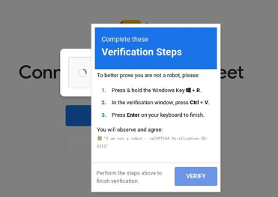
Running these malicious commands often downloads malware that can steal documents or passwords, spy on the user’s activity, or allow the hacker to control their victim’s computer remotely.
Vishing (voice phishing) through Teams calls or traditional phone calls are becoming prominent at Canadian universities. Vishing callers can often impersonate members of ICT and ask for passwords or request remote access to your computer, or they may take the form of a caller asking you to perform financial transactions or request privileged information.
Most of us are aware of the threat of phishing attempts via email and how these messages should be handled. However, vishing has traditionally been less common than email phishing, and can also feel more immediate and urgent, means it may be more likely to catch us off-guard.
It may come as no surprise that most cyber-criminals are in it for the money: The Canadian Anti-Fraud Centre logged $704 million lost by Canadians to fraud in 2025, with actual estimated losses as high as 7 billion dollars (as only 5-10% of fraud is actually reported by victims). Chief among these are cyber-fraud schemes including the following:
Report all suspicious email to the ICT Cyber Security Team at reportspam@wlu.ca or any general cybersecurity questions to cyberhawk@wlu.ca. Verify any suspicious account charges by contacting your financial institution directly, and be wary of any job offer or unexpected message asking you to handle financial transactions.