
We use cookies on this site to enhance your experience.
By selecting “Accept” and continuing to use this website, you consent to the use of cookies.
By: Jemima Bakambu, Outreach & Support Peer
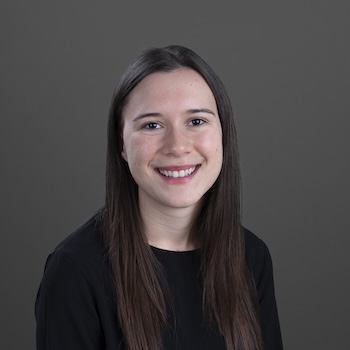
Like many students, Christina Rodenburg was not initially sure about her career direction. She contemplated various health-related options as she always had an interest in science, communication, and helping individuals improve their quality of life. Given this, she decided to pursue Laurier's Health Sciences program, and in her fourth year, she discovered audiology through a family friend who was studying the field. Through this connection, Christina was given the opportunity to shadow clinical practice and volunteer in the audiology setting, allowing her to gain firsthand exposure to the profession. These two initiatives helped her interest in the profession gain traction. Christina’s background in customer service and camp counselling helped her develop strong interpersonal and communication skills, which are essential for a helping profession. Becoming an audiologist requires completing an undergraduate degree. While any program is acceptable, her Health Sciences program provided a strong foundation as it fulfilled most of the prerequisite courses needed for admission to an audiology training program. Following her time at Laurier, Christina completed her Master of Clinical Science in Audiology at Western University.
A typical week for Christina is working Monday to Friday, from 9 am to 5 pm. During her work hours, she performs clinical tasks, including hearing assessments, wax removal, hearing-aid fittings, and evaluations. There is never a dull moment because each appointment is unique and can range from testing a child’s hearing to helping an older adult select the right hearing aid. Christina enjoys the balance her career offers. She gets to interact with people from all walks of life, yet doesn’t have to take work home at the end of the day, as there is minimal preparation outside of clinic hours. The role can be rewarding to help patients improve their quality of life through better hearing. Audiologists can work in private clinics, hospitals, educational settings, or with hearing aid manufacturers. Some professionals even go on to open their own clinics.
Like any healthcare profession, audiology brings both rewards and challenges. There are times it can be challenging to deal with frustrated patients when hearing aids don’t fit or work properly, as these devices sometimes take time to adjust. However, she highlights the importance of patience and not taking criticism personally. Christina remains calm in these situations and approaches patients with understanding and empathy, crucial skills in this role.
There is a rise in demand for hearing assessments and hearing aids, given the ever-expanding aging population, which means this career offers great stability. While over-the-counter hearing aids are becoming more common, it is hard to replace professional care, including proper fitting and human interactions. While AI and digital tools are reshaping the profession, Christina does not believe technology will replace audiologists. She emphasizes that interactions between patients and practitioners is essential for successful outcomes. Assessing patient comfort, counselling individuals through adjustment challenges, and providing personalized care are aspects of the profession that technology alone cannot replicate.
Students interested in helping people with hearing and communication might also want to explore roles like Audiology Assistants, Audiometric Technicians, and Communicative Disorders Assistants. These careers all work closely together and play a big role in supporting patient care through hearing screenings, assisting during tests, preparing equipment, and helping carry out treatment or rehabilitation plans. These roles are a great way to be involved in patient care, even if you’re not an audiologist. Christina works directly with Hearing Instrument Specialists and Clinical Support Staff, who assist across both the clinical and administrative aspects of care. On a day-to-day basis, this can look like coordinating appointments, preparing patients for testing, supporting hearing aid fittings, and making sure everything runs smoothly behind the scenes. All of these roles are interconnected, relying on each other to make sure patients feel supported at every step.
For students interested in becoming an audiologist, Christina recommends volunteering or shadowing to see if the field aligns with their interests before doing graduate studies. If Christina could give her younger self any advice, it would be don’t be afraid to ask for help, whether it’s from professors, friends, or professionals online. There are so many resources out there to support your path to becoming an audiologist!
Contact Us:
Visit our locations and contacts page for office locations and service hours.