
We use cookies on this site to enhance your experience.
By selecting “Accept” and continuing to use this website, you consent to the use of cookies.
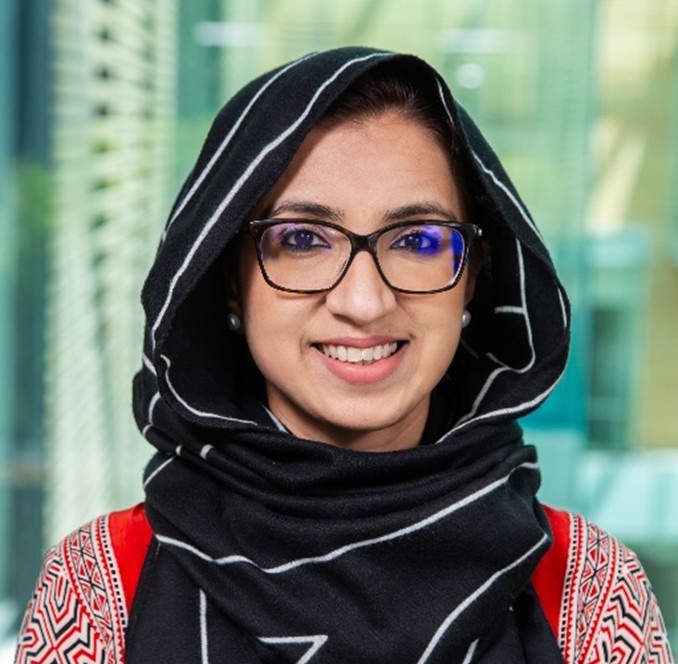
Zara Liaqat is an Assistant Professor of Economics at the Lazaridis School of Business and Economics. Her work spans international trade, macroeconomics, and development economics, using a combination of administrative data, surveys, and field experiments. She is particularly interested in exploring how firms in developing countries respond to uncertainty, from political tensions, conflict, climate change, and trade disruptions, to shifts in expectations and sentiment (see figure 1). Her personal experiences growing up in South Asia inspire her work - motivating a research agenda that blends empirical rigor with a deep interest in the development challenges faced by businesses and policymakers.
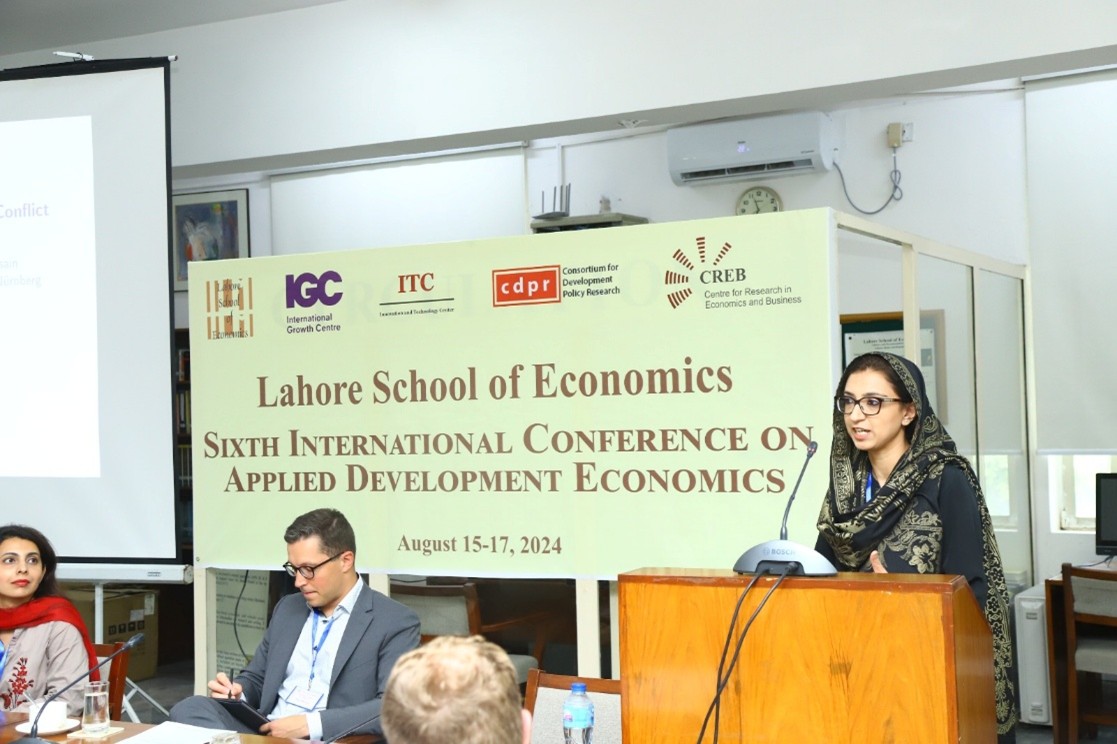
Figure 1: Dr. Liaqat presenting her paper “Keeping the Enemies Closer? Exporting Behaviour of Firms Under Conflict” at the Sixth International Conference on Applied Development Economics, August 2024.
Her latest publication examines how episodes of terrorism and political conflict affect cross-border trade at the firm level -- and why looking only at aggregates misses much of the story. Although firms experience a significant decline in exports, on average, after a major terrorist attack, the impact is far from uniform. Smaller exporters suffer sharper drops in both prices and quantities exported, while import-intensive firms, even the ones sourcing imports from the terror-inflicted country, remain largely insulated. The effect varies by product type, and interestingly, shipping port proximity to the attack site. This research offers critical insights into understanding resilience, regional integration, and recovery after shocks. The key findings and policy lessons of this article were recently featured in a VoxDev blogpost.
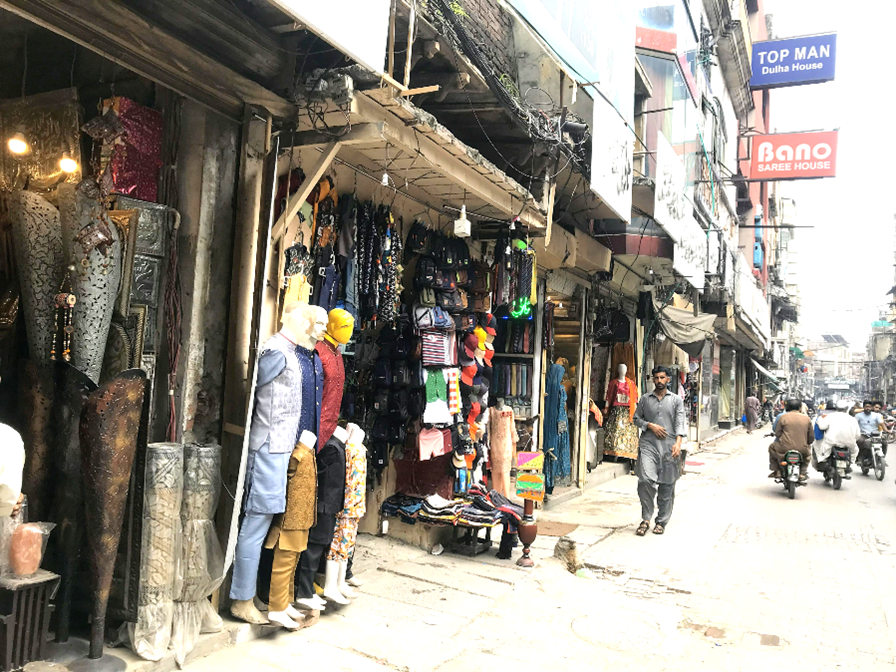
Dr. Liaqat’s research in the field of macroeconomics investigates how expectations and sentiment influence household and business decisions, questions that have become increasingly relevant amid recent drops in consumer confidence due to the proposed tariffs and broader policy uncertainty. In a recent project, she studies how important news events shift consumer confidence and trigger real economic responses. Using a new instrumental variable built from major non-economic news events in the United States, such as landmark social developments, scientific breakthroughs, or diplomatic successes, this paper shows that positive sentiment shocks generate strong and persistent expansions in output, employment, and consumer spending. The results highlight consumer confidence as an independent driver of macroeconomic fluctuations, rather than a passive response to changing economic conditions, and the importance of optimism and confidence-building narratives, especially during periods of heightened uncertainty. This work is part of a broader research agenda on expectations and beliefs. In another project, Dr. Liaqat is planning a field experiment with small informal firms in Pakistan to study how inflation expectations shape key business decisions (see figure 2). Together, this line of work underscores how sentimental shifts and beliefs can steer economic outcomes.
Did you know Laurier’s economics department has a newsletter that you can subscribe to? Sign up at: https://bit.ly/lednewsletter . You can check out all of our articles hot off the presses as they come out on the site (accessed through the link) as well!